Is user research useless? What Nokia vs iPhone really shows
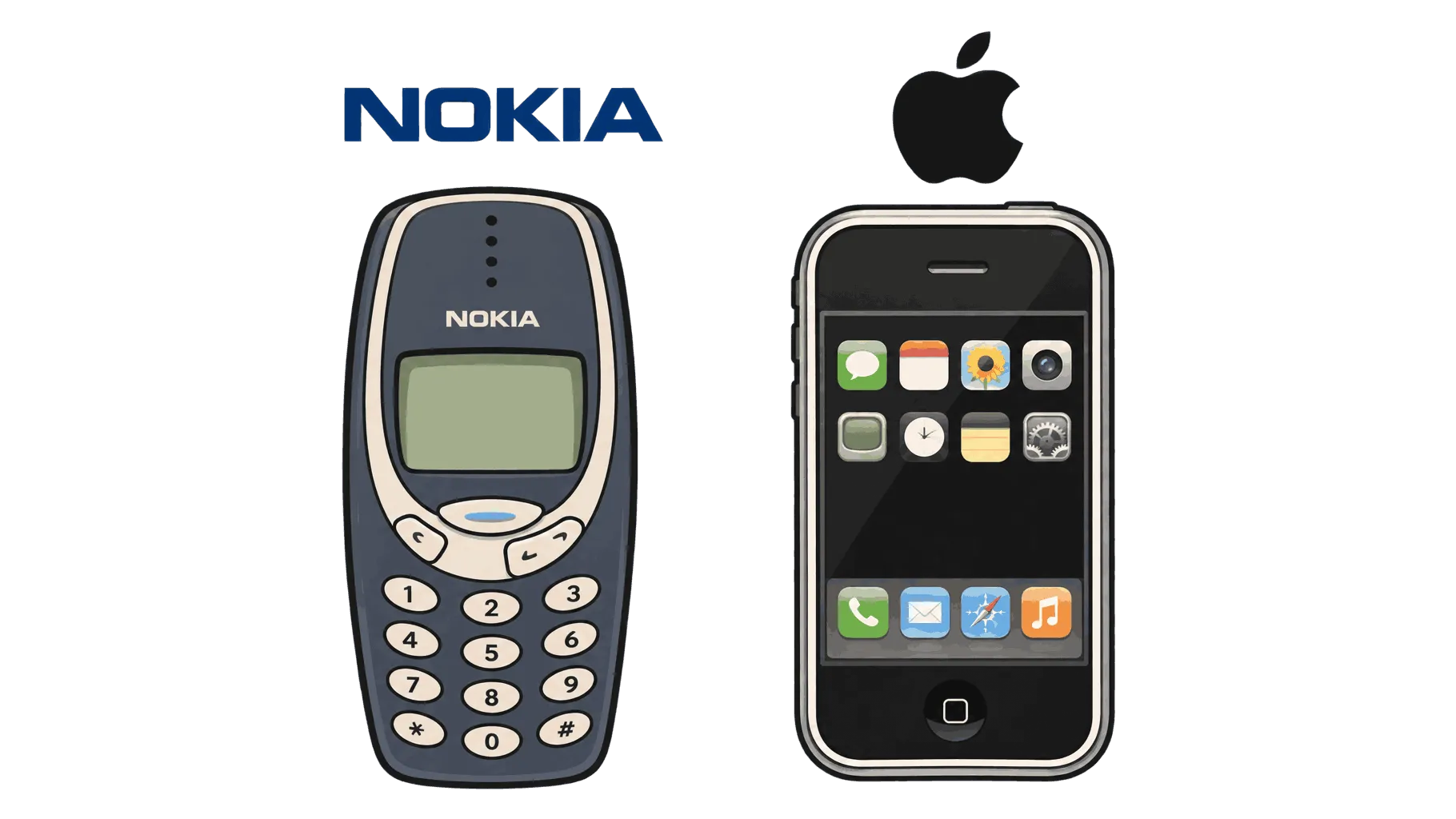
Say you go out and talk to your customers. You ask what matters to them in a phone, and you’ll most likely hear three things: battery life, durability, and price.
So what do you do with that?
If you simply build what customers tell you they want, you end up being Nokia all over again. At least, that’s how the story usually goes, and it’s usually told as proof that user research kills innovation.
Once I came across this story about Nokia
It isn’t my idea. I saw it on social media, and it goes like this:
Nokia made phones, lots of them. Ask its customers back then what they wanted, and the list would have been the same.
Then the iPhone came out. Shorter battery life. A glass screen that broke if you looked at it wrong. A high price. On paper, it was the exact opposite of what buyers said they wanted.
Sixteen years later, Apple sold more than 230 million iPhones in 2023 alone.
How does that happen? How does a product that ignores every item on the customer’s wish list end up winning?
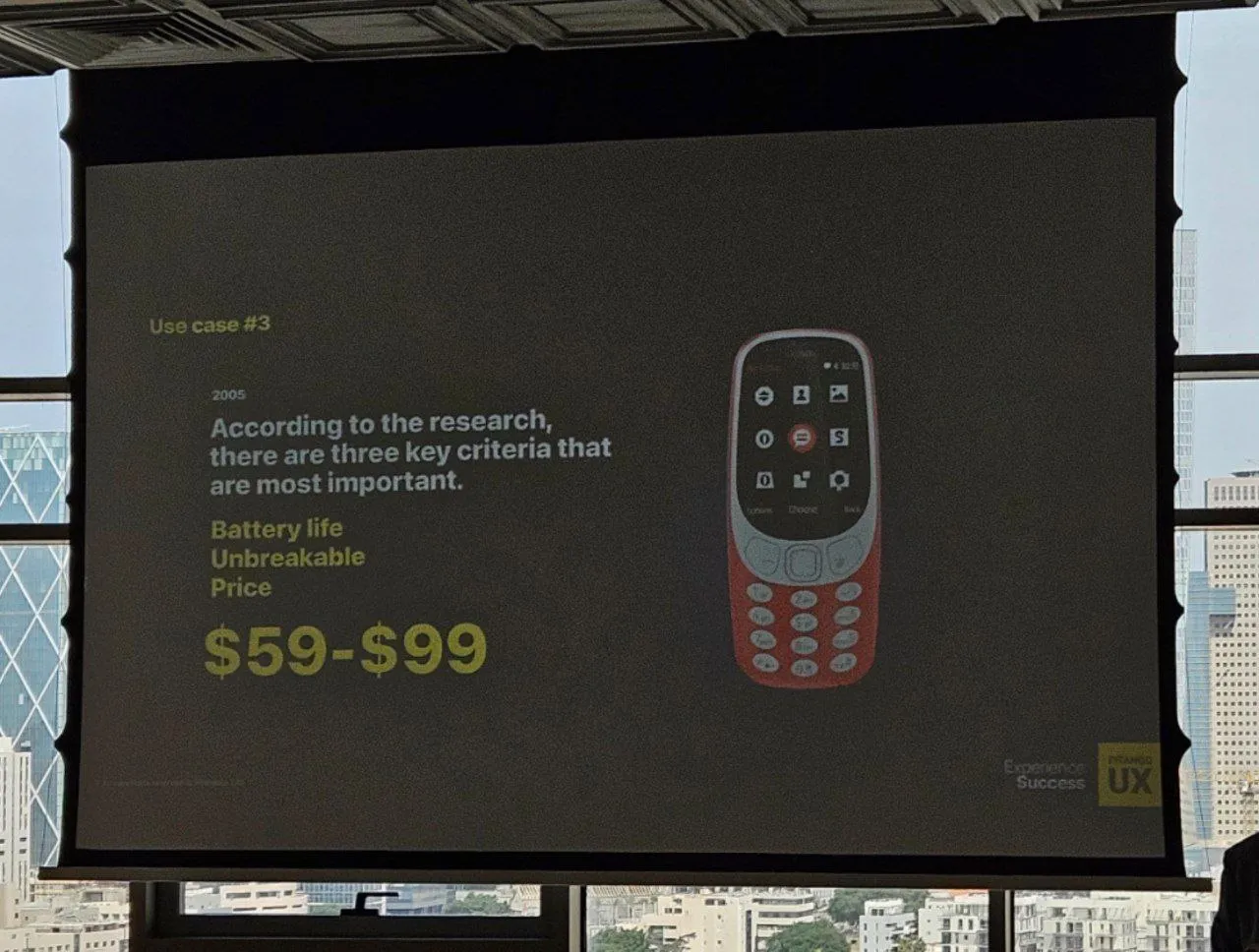
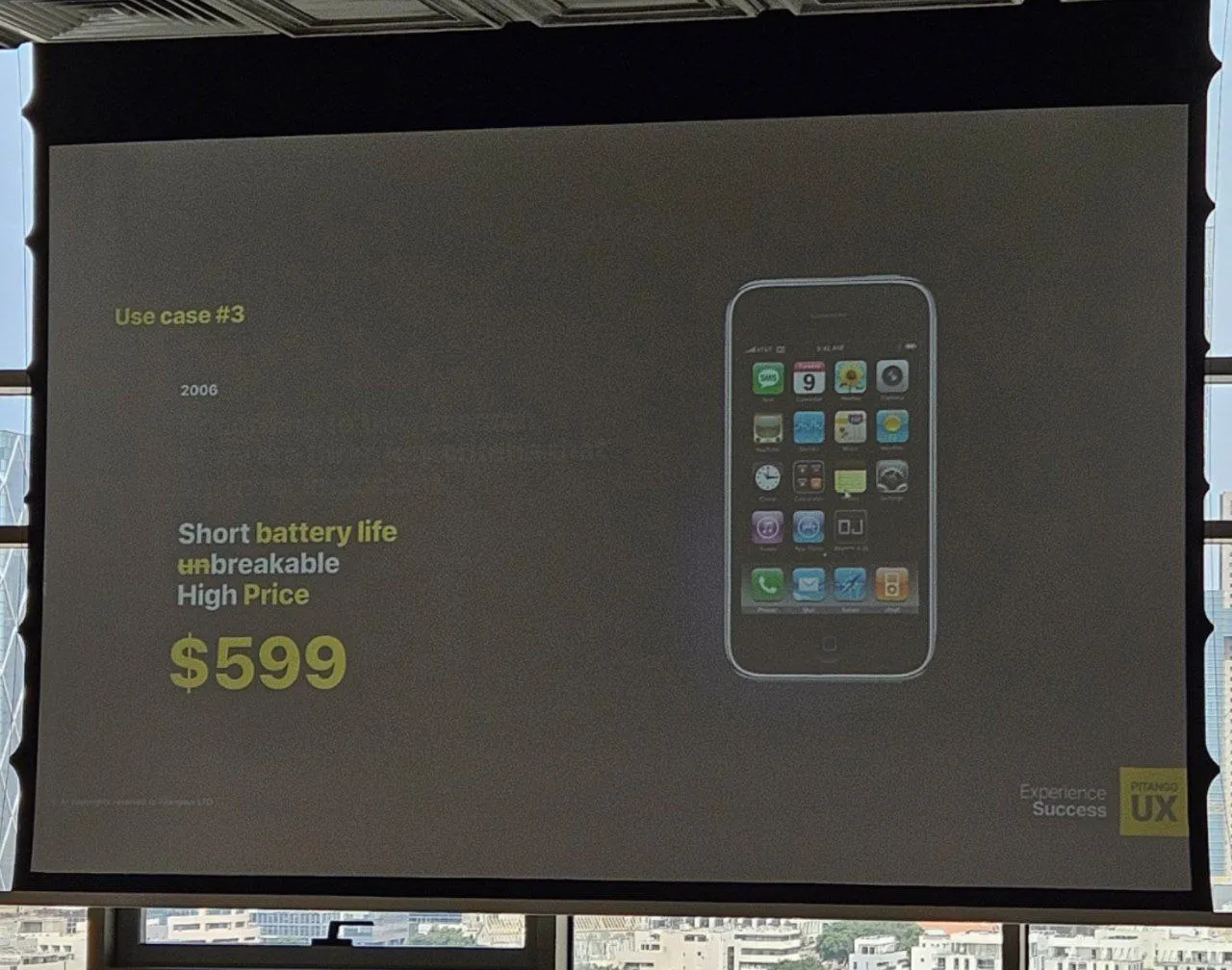
The tempting conclusion: research doesn’t help you build an innovative product. Nokia listened to its users and lost. Apple ignored them and won. Case closed.
It’s a great story. The trouble is, almost every part of it is wrong.
The iPhone didn’t kill Nokia
Nokia didn’t fail because of the iPhone alone, or because it stopped innovating. Its decline came from the shift to software and ecosystems: Symbian against iOS and Android. Nokia still sold almost 39% of the world’s phones in 2008, and it announced a touchscreen smartphone, the 7710, three years before the iPhone.
Start with the ending. “The iPhone killed Nokia” sounds right, but I don’t think it’s what happened, and Nokia’s own CEO saw it the same way. In 2011 Stephen Elop sent his staff a memo that compared the company to a man standing on a burning oil platform. The man had nothing left to do but jump into the freezing sea. Competitors, he wrote, weren’t taking Nokia’s market share with devices. They were taking it with whole ecosystems.
Researchers at INSEAD later traced part of the fall to fear inside the company: middle managers wouldn’t tell the top what wasn’t working (INSEAD, “Who killed Nokia? Nokia did”).
And Nokia didn’t collapse the day the iPhone launched. Its sales grew every year from 2005 to 2007, and it still held 38.6% of the world market in 2008 (Gartner, via Phys.org).
The second myth is that Nokia lost because it didn’t innovate. Nokia did a lot of innovating. It announced the 7710, a touchscreen smartphone, in 2004, three years before the iPhone. Its N95 had GPS, Wi-Fi and a 5-megapixel camera when the iPhone had none of them. A lack of new ideas wasn’t the problem.
Novelty on its own doesn’t guarantee anything: not product-market fit, not usability, not commercial success.
Breaking the rule isn’t the secret
Then there’s “the rule” itself: make a cheaper phone with a longer battery. The story says research handed it to Nokia, but research doesn’t say that. It also says Apple broke the rule and beat Nokia anyway. Both halves are shaky.
First, the iPhone wasn’t the opposite of what buyers wanted. Its battery life was long for a phone that also played video and browsed the web. It lasted up to 8 hours of talk, 6 hours of internet, 7 hours of video and 24 hours of audio (Apple, June 2007).
Second, battery life, durability and price didn’t stop mattering once the iPhone launched. A product can succeed despite its compromises when it offers enough value somewhere else. For some users, those three things just weren’t a priority. And the list itself is easy to read too much into. Show people two identical phones that differ only in price and color, and most of them will choose by price. That doesn’t mean color never matters. It means price wins when nothing else is different.
It’s the old line about faster horses: people asked for faster horses, but what they wanted was faster travel. Users give you the results they’re after; teams build the solutions.
Third, breaking “the rule” isn’t a strategy on its own. Others broke it before Apple, with mixed results. The Motorola Razr V3 came out in 2004 at about $500, nowhere near cheap.
Even Nokia broke “the rule,” and it didn’t make those phones hits.
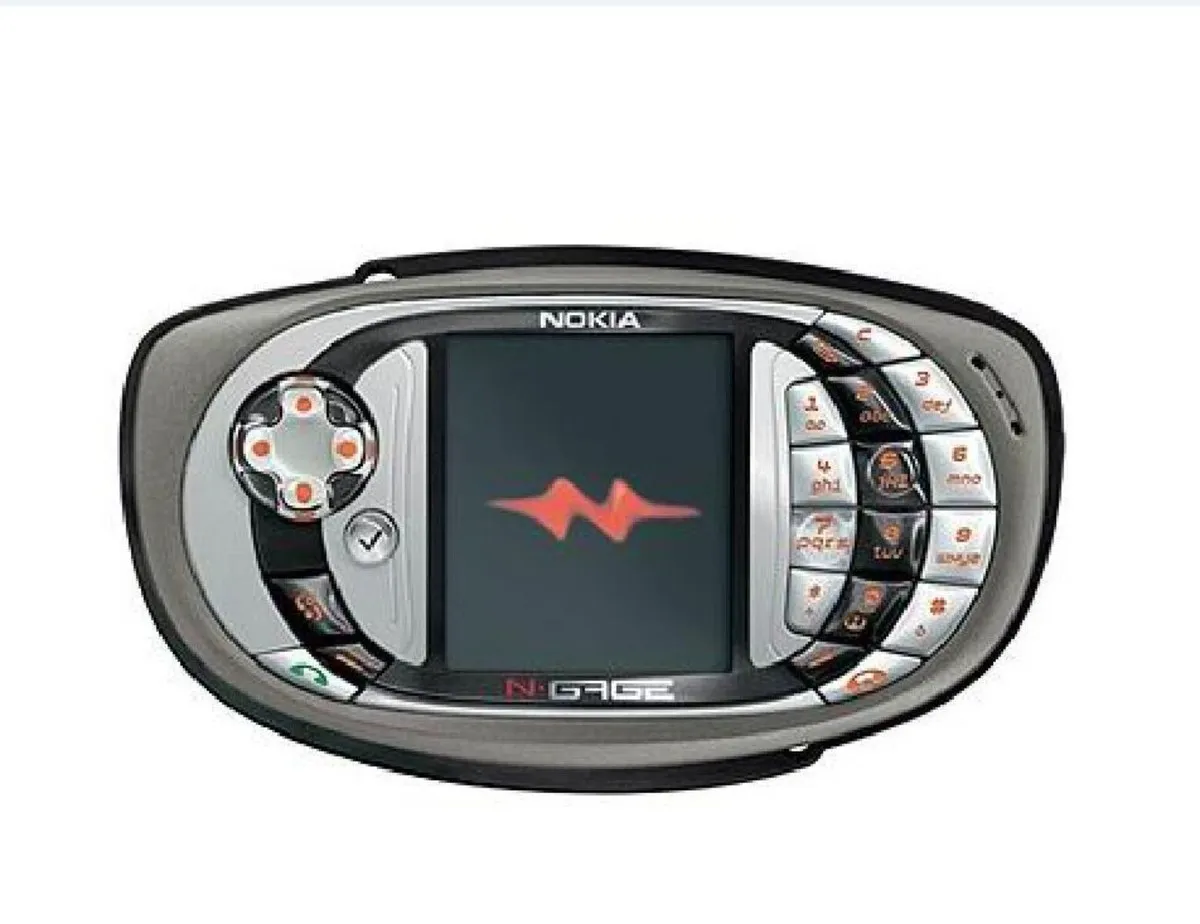
In 2003 it launched the N-Gage, a phone built around gaming rather than battery or price. People called it the “taco phone.” To make a call, you held it sideways against your ear. To swap games, you had to take the battery out.
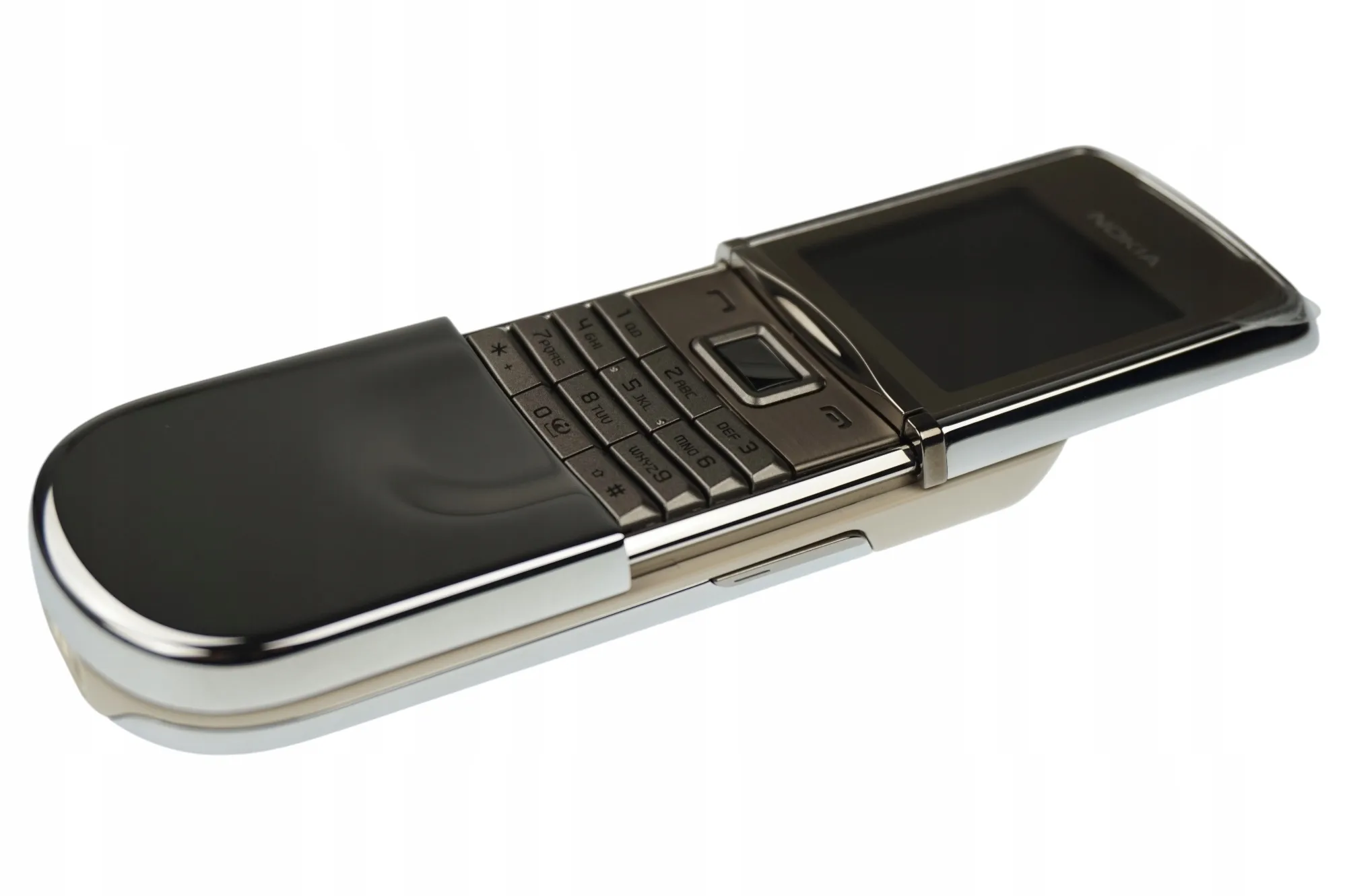
And in 2005 it launched the Nokia 8800 at around €750 (roughly $900). Not cheap, not built for the list. Nokia knew how to ignore “the rule” when it wanted to.
It was never the user’s job
Underneath all of this is a mix-up about whose job is whose.
Users provide evidence about their needs, their context and their constraints. It’s the product team’s job to turn that evidence into product decisions. Asking users to design the next phone, and then blaming research when they don’t, gets the roles backwards.
I wrote more about this in Users asked for a faster horse. Don’t take their word for it: why users aren’t your product managers, and what to listen to instead.
So what can user research actually do?
Here’s what I believe: user research can’t hand you an innovation that’s guaranteed to win. What it can do is help teams find meaningful opportunities, understand user needs, weigh trade-offs, and make better-informed product decisions.
It’s about chances. You can build a successful product without research, sure, the same way you can win the lottery. And you can do everything right and still lose.
Research is a tool, not a guarantee. Its value depends on the question you ask, the method, the quality of the evidence, and the decisions that follow.
Used well, it gives you a head start in a few concrete ways. Evidence about users helps you frame the problem before you start exploring solutions:
- Know what users need. Not what they ask for, what they need.
- Know which kind of research can help you. The Kano model separates basic expectations from performance attributes and from the features that delight customers. Trend research spots emerging behaviors and changing expectations. Then you check whether they matter to your target market. Pricing research shows willingness to pay, perceived value, and the trade-offs customers are ready to make.
- Know how to read a research report and draw the right conclusions from it.
- Know the limits of what people tell you. Self-reported data only goes so far. Use behavioral evidence, contextual inquiry and triangulation when it fits.
Nokia’s customers never asked for an iPhone. They asked for a phone that would last, wouldn’t break, and wouldn’t cost too much. Turning that into the next big thing was never their job. It was Nokia’s.
Agree, disagree, or have a story of your own? Tell me on LinkedIn. I read every comment. And if you'd like the next article in your inbox, .